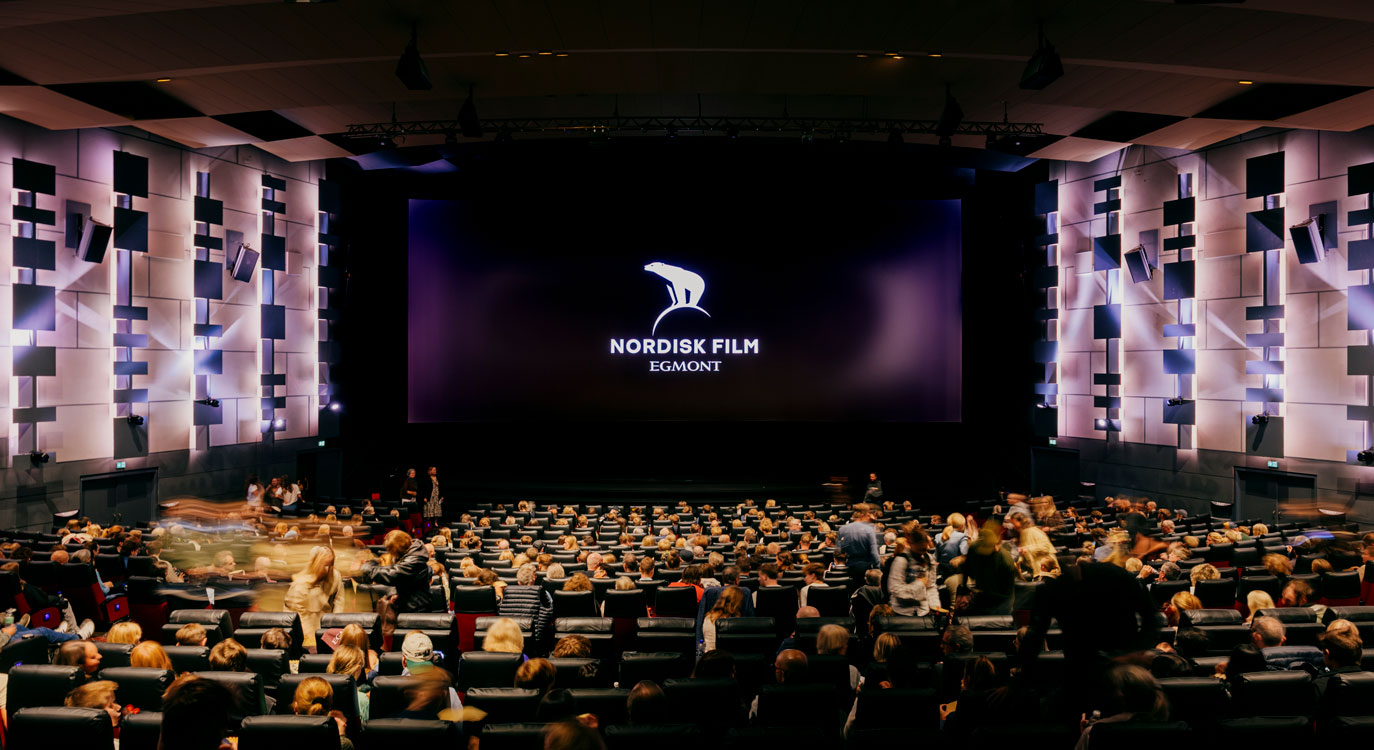
OneCinema GmbH, a trusted software partner for over 500 cinemas across 13 countries in Europe and North America, and Nordisk Film Cinemas, one of the leading cinema chains in the Nordics, have announced the successful rollout of OneCinema’s cloud-native digital signage solution across Scandinavia. 

Spanning all 47 Nordisk Film Cinemas locations in Denmark, Norway, and Sweden, the deployment was completed on schedule and seamlessly integrated into day-to-day operations, marking the platform’s first major installation in the Nordic market. 

“A deployment of this scale across three countries is a result of the great synergy between our two technical teams”, explained Jan Rasmussen, Head of Screen Technology at Nordisk Film Cinemas. “By launching OneCinema Signage circuit-wide, we will fully automate our campaign management, reducing our team’s workload while elevating the cinema environment for our audiences.” 

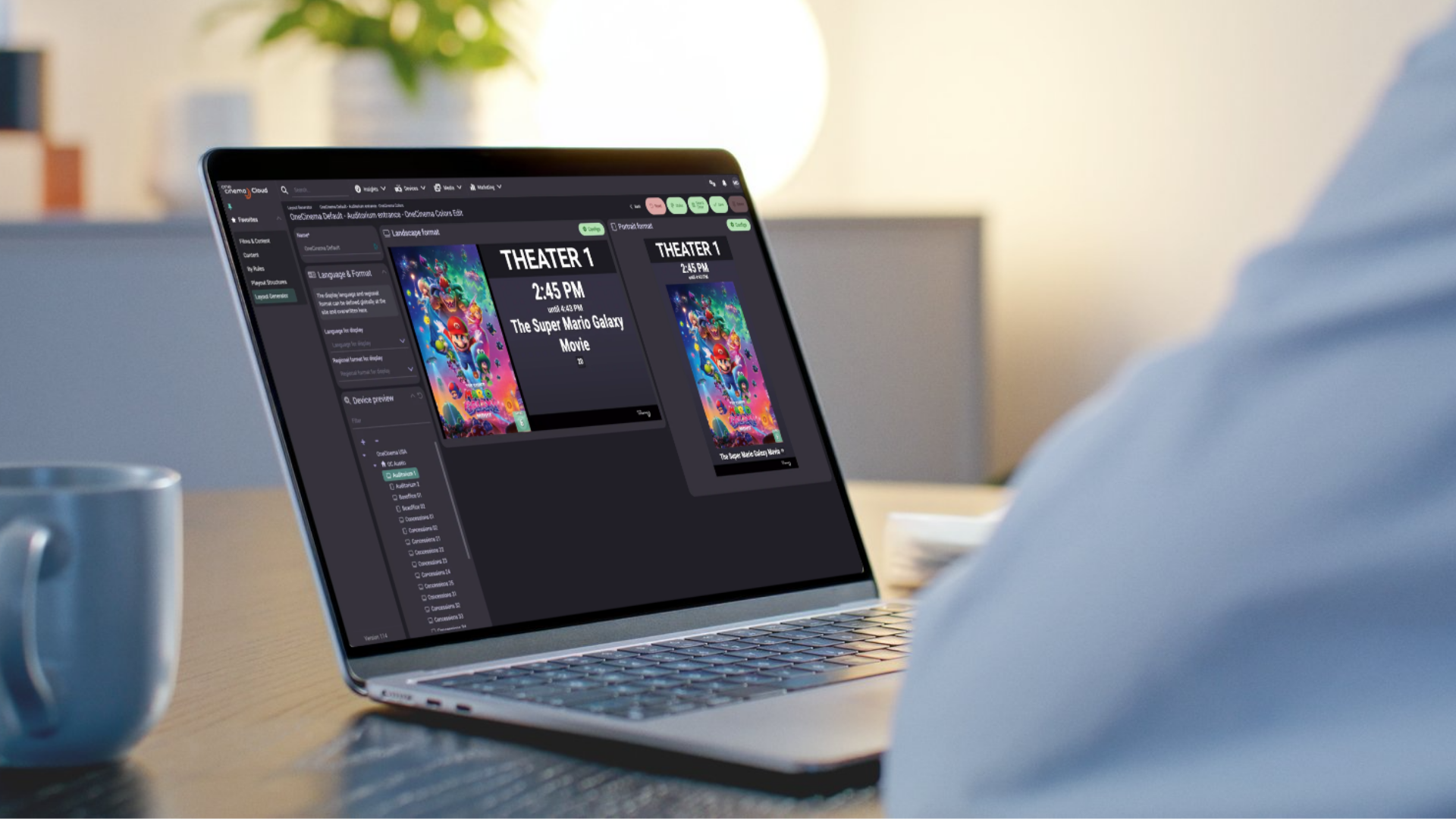
The OneCinema Signage infrastructure is a full cloud-native enterprise platform. By communicating directly from the cloud, it completely eliminates the need for costly local server infrastructure at any site, running natively with Nordisk Film Cinemas’ existing hardware. The solution runs seamlessly across Android-based players, Samsung Smart Signage, and LG webOS professional displays. 

With the rollout complete, Nordisk Film Cinemas can now leverage OneCinema’s flagship automated campaign management. The system continuously ingests live programming data to dynamically generate and display digital signage content in real time, perfectly tailored to the film genres showing at each location. This advanced automation radically reduces the manual operational workloads while ensuring that every screen delivers highly relevant, localized content to moviegoers. 

Joachim Schmitt, CEO of OneCinema, added, “Through our cloud-native OneCinema Signage platform, Nordisk now benefits from a highly agile, automated ecosystem that delivers the right content to the right audience. This installation proves that outstanding technology works best when supported by outstanding teamwork.”


OneCinema GmbH, a trusted software partner for over 500 cinemas across 13 countries in Europe and North America, has announced a major enhancement to its flagship Theater Management System, OneCinema TMS, with fully automated scheduling and prioritisation for Disney’s Infinity Vision (IV) content.

The update arrives ahead of major upcoming releases, including Marvel Studios’ Avengers: Endgame – Encore and Avengers: Doomsday, that will bring Infinity Vision content to qualified auditoriums worldwide.

Infinity Vision is a quality certification, not a technology, that guarantees moviegoers a superior theatrical experience. Auditoriums earn certification by meeting strict criteria across screen size, sound, and projection brightness. Fully immersive 4D and sidewall formats may also qualify for certification, given their distinct viewing environments, regardless of whether they meet the standard criteria above.

OneCinema TMS already automates the scheduling of content to the correct screens based on auditorium capabilities, and this update extends that same automation to support Infinity Vision. Once an IV DCP is ingested and tagged, and an auditorium’s hardware profile is configured to reflect its IV capabilities, OneCinema TMS automatically prioritises that content for the correct screens, just as it does for existing formats and attributes.

“Rather than asking our customers to adapt their operations to every new standard or certification, we build our systems to adapt to them”, explained Joachim Schmitt, CEO of OneCinema. “This update is a good example of how we stay ahead of where the industry is moving, so our customers can focus on what matters most, delivering exceptional moviegoing experiences.”

The Infinity Vision automation is available now to all OneCinema TMS customers. Exhibitors can configure DCP tagging and auditorium settings directly within the platform.

OneCinema GmbH, a trusted software partner for over 500 cinemas across 13 countries in Europe and North America, today announced a major milestone as OneCinema Automation, a primary software platform that optimises theater operations and hardware monitoring, celebrates a decade of driving effortless, efficient performance.

First deployed in 2016, OneCinema Automation was revolutionary in bridging facility infrastructure with theater operations, leveraging real-time show schedules, POS occupancy data, and intelligent device monitoring.

Launched to unanimous praise by early adopters, the platform set a new industry benchmark for streamlining operations, cutting costs, and driving energy efficiency, first across the German region and now for cinema operators worldwide.

Joachim Schmitt, CEO of OneCinema, explained, “OneCinema Automation reaching 10 years in the field represents a significant milestone for our team and a testament to the trust our exhibition partners place in us. We first developed the tool to help exhibitors optimise energy use and lower operational costs, and a decade later, it continues to set the standard for driving efficiency.”

The software automates core hardware routines, like booting up servers, managing projector power, and adjusting auditorium climate and audio levels, while continuously tracking equipment health to prevent costly downtime. By combining intelligent HVAC controls, proactive maintenance reminders, and event-based staff notifications, the platform significantly lowers energy consumption, protects hardware investments, and optimises staffing without requiring expensive infrastructure overhauls.

“Looking back at the software’s 10 years in operation, our primary focus remains helping cinemas run leaner, smarter, and more reliable venues”, added Joachim Schmitt. “As we look to the future, we will continue innovating alongside our partners to ensure operations remain efficient and sustainable.”

For more information, please contact info@onecinema.de.

OneCinema GmbH, a trusted software partner for over 500 cinemas across 13 countries in Europe and North America, has announced a major update to its flagship software solutions, OneCinema TMS and OneCinema Signage, introducing a ground-up transformation of the user experience.

With a refined top-navigation layout and modernised interface, the new release, Version 114, offers exhibitors increased control over their daily platform interactions.

Central to the update are customisable navigation features designed to accelerate recurring tasks. A new predictive search field enables users to instantly jump to any page or workspace by simply typing keywords to efficiently navigate the software. In addition, operators can now pin frequently used pages and links to a personalised quick-access menu and set custom start pages tailored to their daily routine.

“With this release, we are rethinking how exhibitors interact with their operational tools on a daily basis,” said Joachim Schmitt, CEO of OneCinema. “By moving away from siloed applications and processes to a truly workflow-first platform, we are enabling faster navigation and the mobility needed to run efficient operations behind the desk and on the floor.”

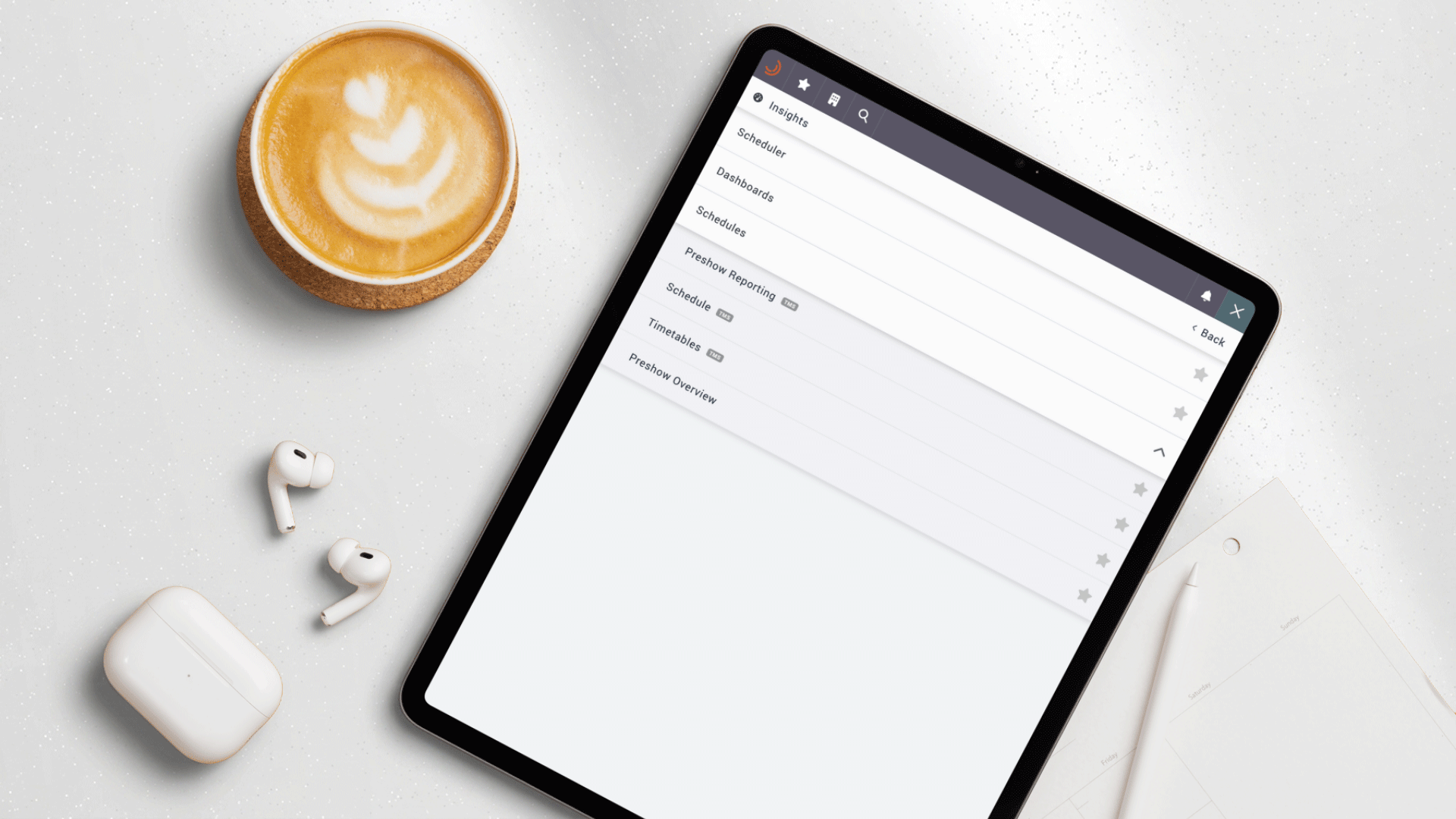
Built to support staff on-the-move, technical teams can now access OneCinema TMS on their tablet devices for on-the-floor maintenance, hardware checks, and real-time operations.

Beyond navigation, the update introduces strengthened campaign-led architecture. Rather than building content rules separately within the TMS and OneCinema’s dedicated Signage tool, rules can now be prepared by campaign and applied to both auditorium projection and lobby displays at the same time. Expanded cloud orchestration also allows site operators to centrally control all digital signage directly from the cloud interface.

Built on a uniquely modular and resilient architecture, OneCinema continues to set the benchmark, delivering functionality and flexibility unmatched by conventional vendors.

For more information, please contact info@onecinema.de.

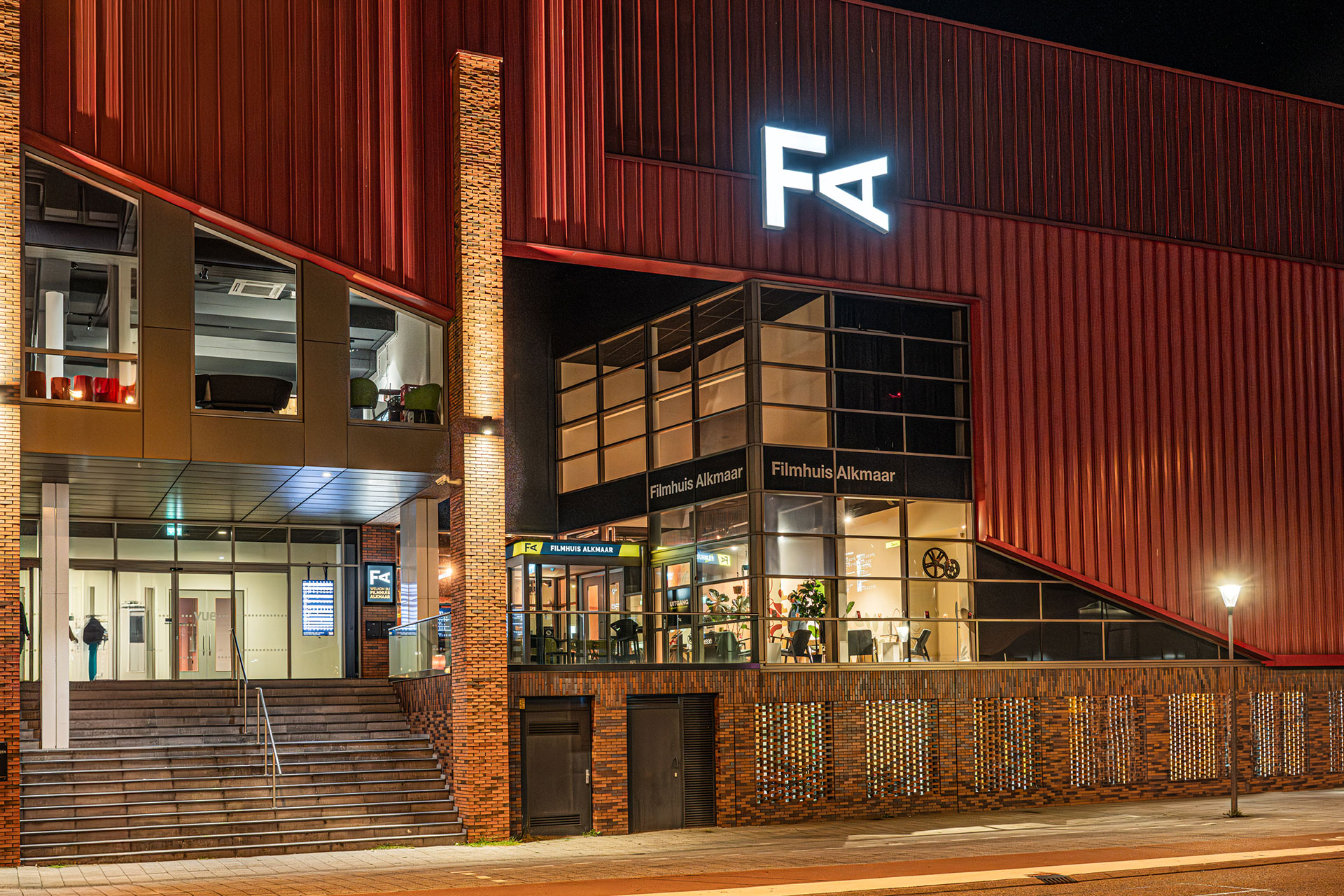
OneCinema OneCinema GmbH, a trusted software partner for over 500 cinemas across 13 countries in Europe and North America, has successfully deployed its Theater Management System (TMS) at Filmhuis Alkmaar , an independent arthouse cinema in Alkmaar, Netherlands, with OneCinema Signage set for installation later this year. 

With three screens centred around a vibrant, atmospheric lobby, Filmhuis Alkmaar will unify its theater and lobby operations under one intuitive platform. Automating content scheduling across all screens and digital signage allows the venue to optimise workflows, eliminate manual steps, and streamline daily management. 

“As an independent three-screen venue, our team wears many hats, so having intuitive, adaptable software is essential for our day-to-day operations”, explained Sander Bergenhenegouwen, Head of Cinema Technology at Filmhuis Alkmaar. “Partnering with OneCinema means we spend less time managing technical workflows and more time delivering a cultural experience for our audience.” 

The OneCinema TMS extends far beyond traditional market capabilities, delivering an exceptionally flexible, modular platform that automates content, KDMs, pre-show, and playlist management from a single point of control. Designed to adapt to the distinct workflows of independent venues, it seamlessly pairs impression-based target trailering with resilient architecture, giving arthouse operators uncompromised control and reliability. 

Meanwhile, OneCinema Signage, a fully cloud-native solution engineered for maximum agility, operates directly from the cloud to every display without requiring local servers. The platform connects seamlessly to OneCinema players and runs natively on Samsung Smart Signage and LG webOS professional displays, allowing cultural hubs to maintain dynamic, visual spaces with minimal hardware overhead. 

Joachim Schmitt, CEO of OneCinema, added, “Independent and arthouse cinemas like Filmhuis Alkmaar are the cultural heartbeat of the exhibition industry. Our vision has always been to build software that scales effortlessly, whether you operate fifty screens or three. Filmhuis Alkmaar is a fantastic example of how a vibrant, independent venue can leverage our TMS and Signage solutions to streamline site management and empower their team.”

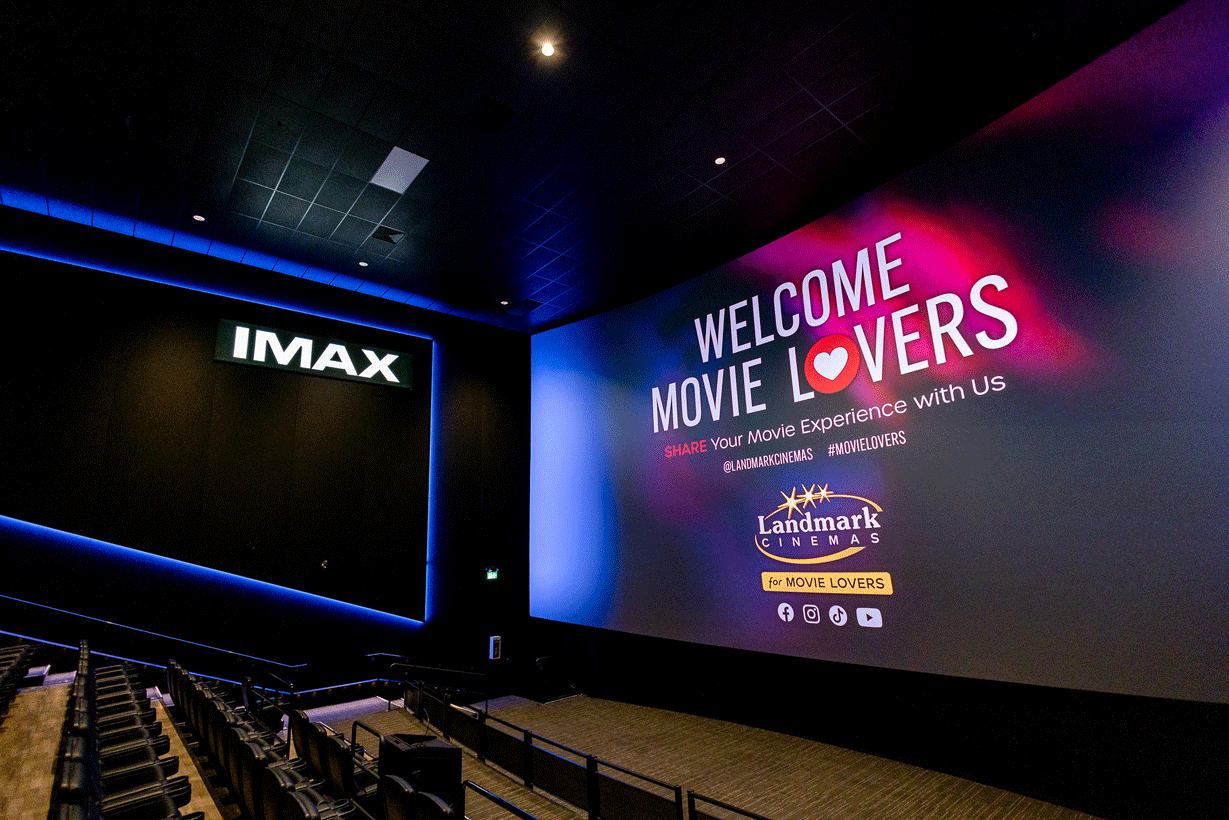
OneCinema GmbH, a trusted software partner for over 500 cinemas across 13 countries in Europe and North America, has successfully completed a full, network-wide deployment of their Theater Management System (TMS) to Landmark Cinemas, Canada’s second largest cinema operator and a subsidiary of Kinepolis Group.

Spanning 301 screens across 35 locations, Landmark Cinemas will leverage cloud-based central management, automated content scheduling, and real-time systems monitoring to drive significant operational efficiencies and streamline circuit-wide theater management.

“The benefits of the OneCinema TMS were clear – centralized programming, significantly improved visibility over each site in the circuit, and the ability to create unique playlists for each showtime with ease”, explained Tim Lyons, Senior Manager of Projection and Sound at Landmark Cinemas.

“Since our launch of the OneCinema TMS, we have realized efficiencies in programming and support, while built-in automation handling KDM and content management has allowed us to meet the demands of the guests while simultaneously alleviating the administrative scope of our on-site Theater Managers.”

The OneCinema TMS extends far beyond traditional market capabilities, delivering a uniquely modular platform that unifies signage and on-screen content management from a single point of control. Combined with impression-based target trailering and an exceptionally resilient architecture, OneCinema provides functionality and reliability unmatched by conventional TMS vendors.

Joachim Schmitt, CEO of OneCinema, added, “Building on the successful deployment across all European Kinepolis locations, this effective rollout is a testament to the deep collaboration between our two teams. With the OneCinema TMS installed, Landmark Cinemas now has a powerful, scalable foundation to drive long-term efficiency and deliver an uncompromised, world-class experience for moviegoers across Canada.”

Centralized configuration and an established deployment procedure ensured that the rollout spanning six provinces was completed smoothly and on schedule.


OneCinema GmbH, a trusted software partner for over 500 cinemas across 13 countries in Europe and North America, has announced the industry’s first fully integrated cloud platform that combines digital signage management and Theatre Management System (TMS) functionality.

This major technical milestone expands on OneCinema’s leading TMS capabilities for automating daily operations by integrating control over all digital signage. From exterior LED displays and digital posters to lobby menu boards and promotional screens, exhibitors can now manage and schedule content across their entire signage ecosystem from a single dashboard. By seamlessly combining two proven market solutions, TMS and Signage, into a unified cloud-based platform, OneCinema offers unprecedented centralised control from the lobby to the big screen and beyond, eliminating multi-tool complexity and improving efficiency for all users.

In film marketing, for example, scheduling trailers and promotional content for both the auditorium and the foyer traditionally required two separate steps. Now, this can be done in one to save time and ensure a consistent, end-to-end audience experience. TMS and Signage will also remain available as standalone products.

Joachim Schmitt, CEO of OneCinema, announced, “We’re proud to announce the next evolution of cinema technology to the global exhibition industry. By unifying theatre management and digital signage, we’re giving exhibitors greater flexibility and control over their screens and content.”

The OneCinema TMS extends far beyond traditional market capabilities, delivering a uniquely modular platform that automates content, KDMs, pre-show, and playlist management from a single point of control. Combined with impression-based target trailering and an exceptionally resilient architecture, OneCinema provides functionality and reliability unmatched by conventional TMS vendors.

Meanwhile, OneCinema Signage, a fully cloud-native enterprise platform, communicates directly from the cloud to every endpoint with no local server infrastructure required at any site. The platform connects directly to OneCinema Digital Signage players and can run natively on Samsung Smart Signage and LG webOS professional displays.

For more information, please contact Gregory Davies at g.davies@onecinema.de.

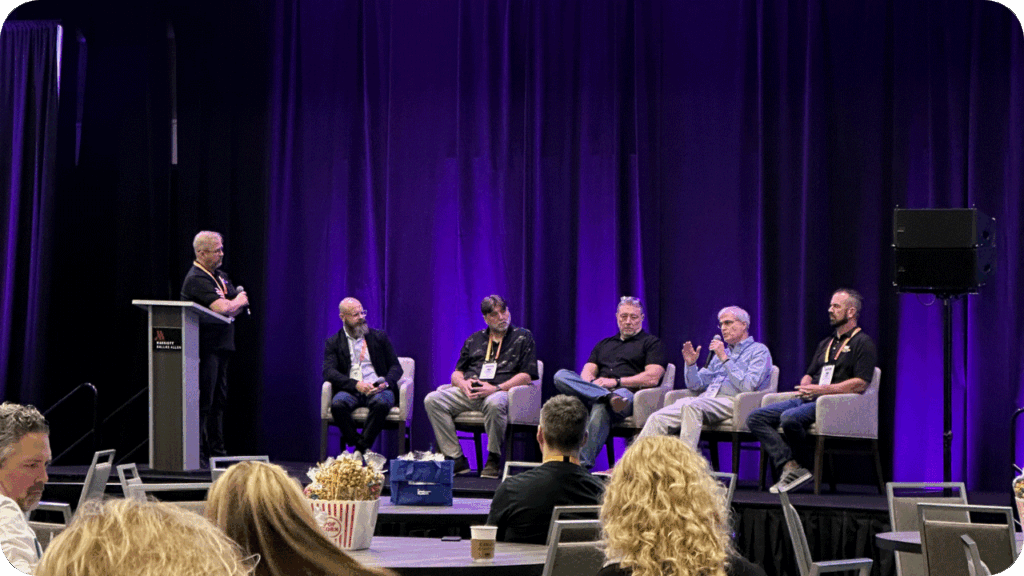
The cinema software space stands at an exciting yet critical crossroads. The potential for rapid innovation has never been higher but the key to unlocking it lies in how we choose to collaborate. At the recent ICTA discussion at CineEurope, Connected Cinema: Breaking Down the Software Silos Holding Our Industry Back, we identified a powerful truth: the industry’s primary technology challenges are not actually technical. Which tells me one thing; if we unite to tackle the human and commercial challenges, we open the door to boundless possibilities.

But before analysing that pathway, let’s first look how the engine is working behind the scenes.

Understanding the Engine: APIs in Cinema Software

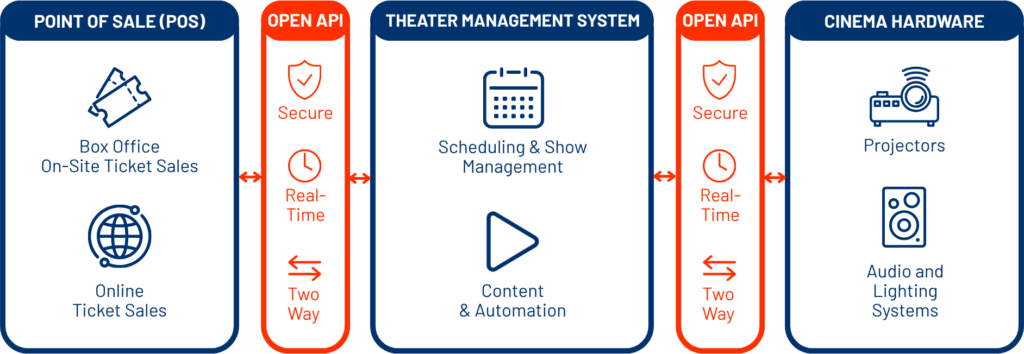
At the heart of modern software sits a series of APIs (Application Programming Interface). Think of an API as a universal translator and secure bridge between different software platforms. In a cinema environment, your Point of Sale (POS), Theatre Management System (TMS), and screen hardware all specialise in different jobs.

When these systems use open, well-designed APIs, they talk to each other seamlessly in real-time. For example, when a ticket is sold at the POS, an open API can automatically signal the TMS to adjust lighting cues, trigger specific pre-show content, or update seat availability on digital signage displays. It turns a cluster of individual technologies into one unified, harmonious engine.

OneCinema APIs Technical Diagram

One harmonious engine.

It’s important to note that APIs do not expose anything which makes a product valuable; not the code, not the underlying logic, and certainly not a company's intellectual property. It only provides a defined channel for data exchange. Think of it like a door that makes data available to exhibitors’ chosen partners. When those vendors connect, the exhibitor they support is the one who benefits.

Moving From Silos to Synergies

When POS, TMS, advertising platforms and screen hardware fail to seamlessly communicate, we must ask ourselves, could we have done more to improve integration from the outset? Rarely are such issues down to poorly written code. Every technical hurdle can be solved, but real interoperability requires a shared responsibility.

By opening up APIs with fair, transparent models, software providers will actually multiply the value of their products, not diminish it, as those connections make them indispensable to exhibitors. In 10 years’ time when we reflect on how we evolved into a better connected community, protectionist strategies will be the ones which fell by the wayside, with openness having proved the fast-track to growth.

But opening APIs is just the beginning. Unifying our worldwide industry standards for film and release IDs offers an immediate win, creating a common language that simplifies systems integrations across international chains. These systems need to know with absolute certainty which film, specifically which release, it is handling to automate reliably. Without a common standard, cinema chains have to wrangle with competing numbering systems, adding avoidable complexity to every point of data exchange. By its nature, this is something that can only be solved at the very start of the supply chain who assign these identifiers.

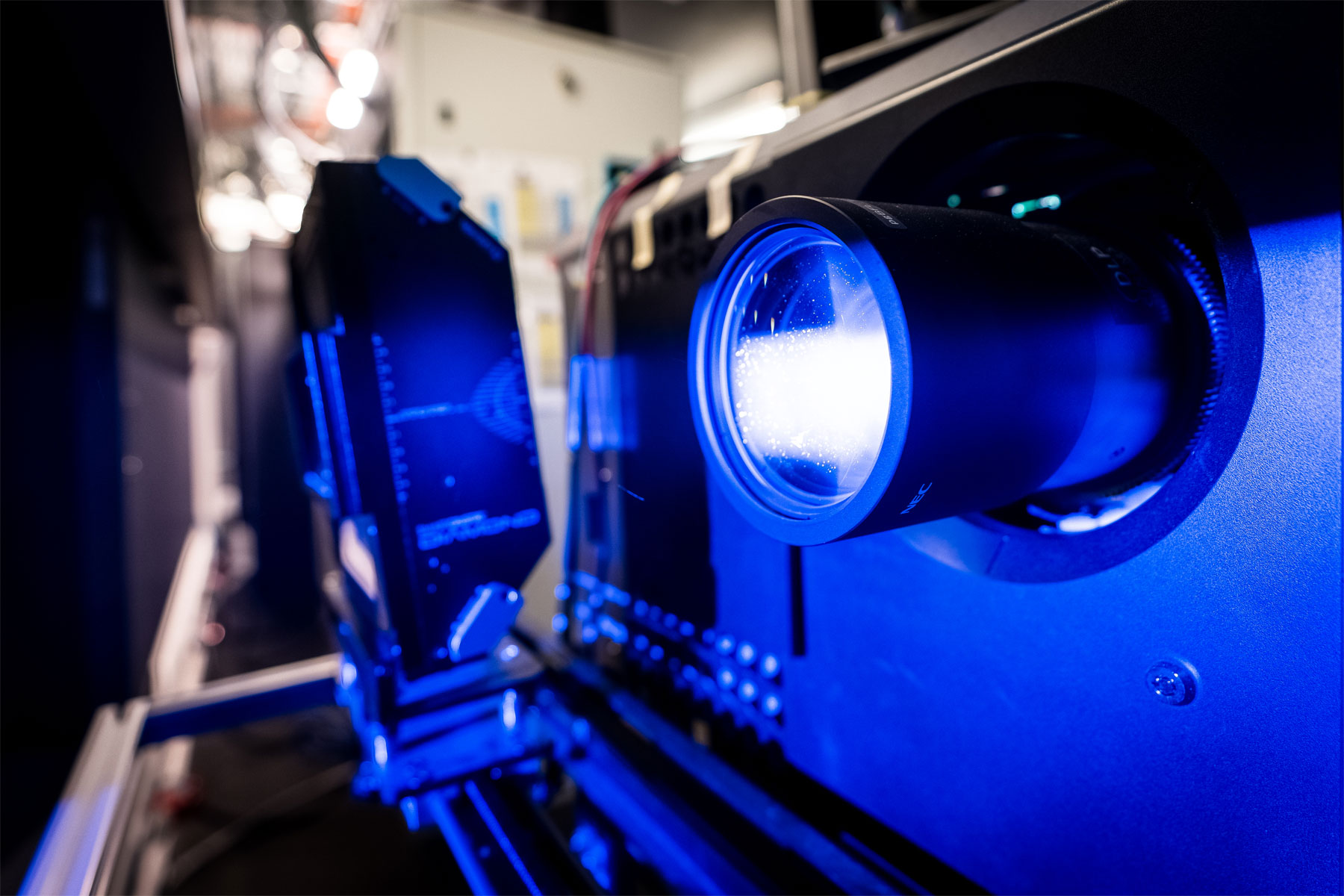
Projector at Blue Cinema

Direct access to physical hardware enables deeper integrations.

At the same time, extending developer access to manufacturers’ physical hardware, either through flexible testing windows, virtual environments, or temporary loans, would ensure deeper testing and consequently friction-free deployments. And when those manufacturers develop new APIs, early communication is nearly as important as the API itself, with a sound lead time required to test and build against it.

When systems do talk to each other, the operational wins are both quantifiable and immediate. True automation, like synchronised hardware start-up and shut-down routines or playlist feature selection based on screen attributes, can save exhibitors hours of manual labour per day, while slashing energy bills and consumption.

We’ve set the stage for innovation to flourish, but pulling back the curtain requires open standards, open connectivity, and vendor flexibility. Industry bodies and neutral, mutual parties have a powerful role to play in championing this dialogue.

As technology leaders, we have an extraordinary opportunity to shape the future. Choosing collaboration over isolation will elevate our solutions, strengthen the entire cinema ecosystem, and, above all, deliver tangible value to exhibitors.

Andreas Stier OneCinema

Andreas Stier,
Sales Director at OneCinema

Inspired by ‘The Cost of Guessing in Theatre Operations’ seminar at this summer’s CinéShow, the United States’ second largest trade event behind CinemaCon, last month we explored how the application of data through digital signage can target lobby visitors to drive bottom-line box office and concession growth.

If you didn’t attend the show or missed our previous One Take from the Top, I am referring to two key takeaways worthy of a quick recap:

  1. Uncover your missed opportunities. Rather than only tracking what’s going well (admission/concession sales), it’s important to find out what sales you lost and why.
  2. Execution is everything. Harvesting business data is one thing, but applying your learnings is where the real value lies.

This session got us thinking, because there are many tools which exhibitors already use, or should be using, that allow them to execute these insights.

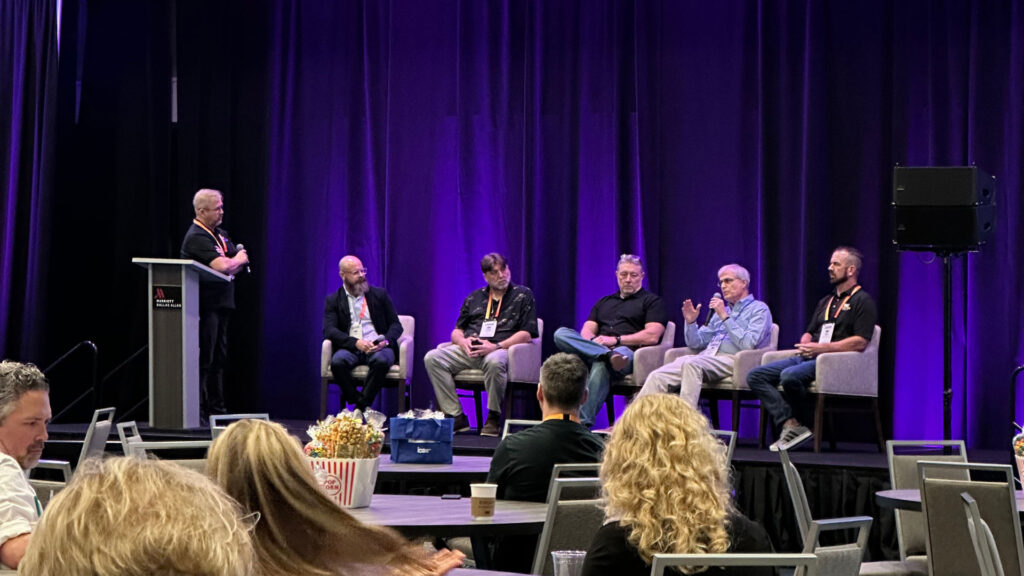
The 'Cost of Guessing in Theatre Operations' panel.

After covering digital signage in September, this month I’ll be looking at how to target audiences on the operational side, analysing how a modern Theater Management System (TMS) can reach your audiences while opening new revenue streams.

Part 2: The Theater Management System, Your Secret Monetisation Tool

With high-performance TMS automation, you will unearth brand-new revenue channels you didn’t know existed. For example:
Exhibitors already monetise pre-show advertising slots through Screen Advertising Companies (SACs), but a modern TMS should allow you to apply that same commercial model to film trailers. Through direct integration with your Point of Sale (POS), the TMS tracks ticket sales per site or auditorium to measure precisely how many moviegoers view each trailer.

This means contracting directly with distributors on an impressions-based model, charging for trailer placements based on confirmed audience reach. For example, if a distributor wants 100,000 targeted impressions for an upcoming Spider-Man release, the TMS checks POS attendance data across targeted sites and showtimes, serving the trailer to the exact demographic criteria agreed upon until the target impression count is reached.

The CinéShow panel I so frequently refer back to noted how AI can offer cinema so much more than simply preparing marketing copy or constructing digital imagery. Although operational targeting is already testing new ways to become more efficient.

We have already seen AI-integrated cameras being used inside auditoriums to distinguish between human patrons and coats or bags left on seats, verifying that occupant counts match sold tickets to prevent screen-hopping.

But why stop at attendance verification? Developed further, this same optical technology could track the exact times patrons enter the auditorium. Knowing precisely when specific demographic groups take their seats would yield invaluable operational data, optimising trailer placement and value, while ensuring targeted content reaches maximum eyes. 

Reaching your audiences with precision targeting.

Ultimately, operational precision through the TMS should work in tandem with the visual targeting strategy we explored in Part 1. Just as a diligent signage solution deploys specific campaigns to both inner-city and suburban sites, the TMS can align screen programming with those specific audience profiles. While signage promotes a targeted concession bundle or loyalty offer outside, the TMS ensures the pre-show content on-screen reinforces the exact message for maximum response.

By connecting your front-of-house signage displays with a data-driven TMS back-of-house, you remove the guesswork, target your audiences with laser precision, and convert data into measurable revenue.

Tim Potter,
International Business Manager at OneCinema

After OneCinema’s recent excursion to Dallas for CinéShow 2026, I left feeling somewhat inspired. Not only through the connections made or palpable positivity, but by how the seminars’ pertinent subject matters naturally align with the mandate of European vendors.

Tuesday’s session, ‘The Cost of Guessing in Theatre Operations’, deserves special credit for kicking off the data debate and highlighting how tools already used by exhibitors can generate or execute valuable data in the quest to boost revenue.

However, it was two points from the panelists which really got me thinking:

  1. Uncover your missed opportunities. Rather than only tracking what’s going well (admission/concession sales), it’s important to find out what sales you lost and why.
  2. Execution is everything. Harvesting business data is one thing, but applying your learnings is where real the value lies.

It’s these words of wisdom which underline how to refine and enhance your sales efforts. Within the ever-evolving sphere of cinema technology, there are many tools which allow you to deploy these insights, both visually and operationally.

The 'Cost of Guessing in Theatre Operations' panel.

In our next two One Take from the Top blogs, we’re going to look at how a diligent signage solution and Theater Management System (TMS) harnesses data to offer precision targeting, helping to rectify weaknesses and enhance strengths within your sales cycles.

Part 1: Signage, Your Dynamic Sales Team

One CinéShow conversation which stayed with me was with an operator who shared a challenge which may sound familiar.

While his overall admissions have been below pre-pandemic rates, spend per head is actually higher than before because those moviegoers who have continued to visit are the ones purchasing concessions. So, his goal is not simply to increase footfall, but to convert new moviegoers into higher value audience segments to maintain high per-capita spend.

The value of that data has delivered a clear strategy. While a well-rounded marketing plan lays the foundation, dedicated, sales-first signage solutions offer the precision required to target those audiences on-site and convert their interest into bottom-line box office and concession growth.

How? Well, these digital display tools can tailor dynamic campaigns directly to specific demographics using variables like titles, genre, dayparts, locations, and more. For example;

  • Site-Specific Campaigning: Run Campaign A across displays at your inner-city site to reach young professionals, while running campaign B across suburban locations to reach families.
  • Audience-Driven Offers on Menu Boards: Pair tailored concession bundles, like a themed horror movie combo, with specific showtimes before analysing performance data to refine future deals.
  • Maximising Lifetime Value: Target high-value demographics with tailored loyalty program incentives and movie trailers during peak dwell times to drive repeat visits and higher spend per head.

The aforementioned panel rightly mapped out many ways that sales can slip through the cracks: the home page, the payment page, outside the lobby entrance, and even in the popcorn queue. However, when dynamic signage solutions use data to target audiences with laser precision, you actively work to eliminate those friction points at the entrance and in the lobby.

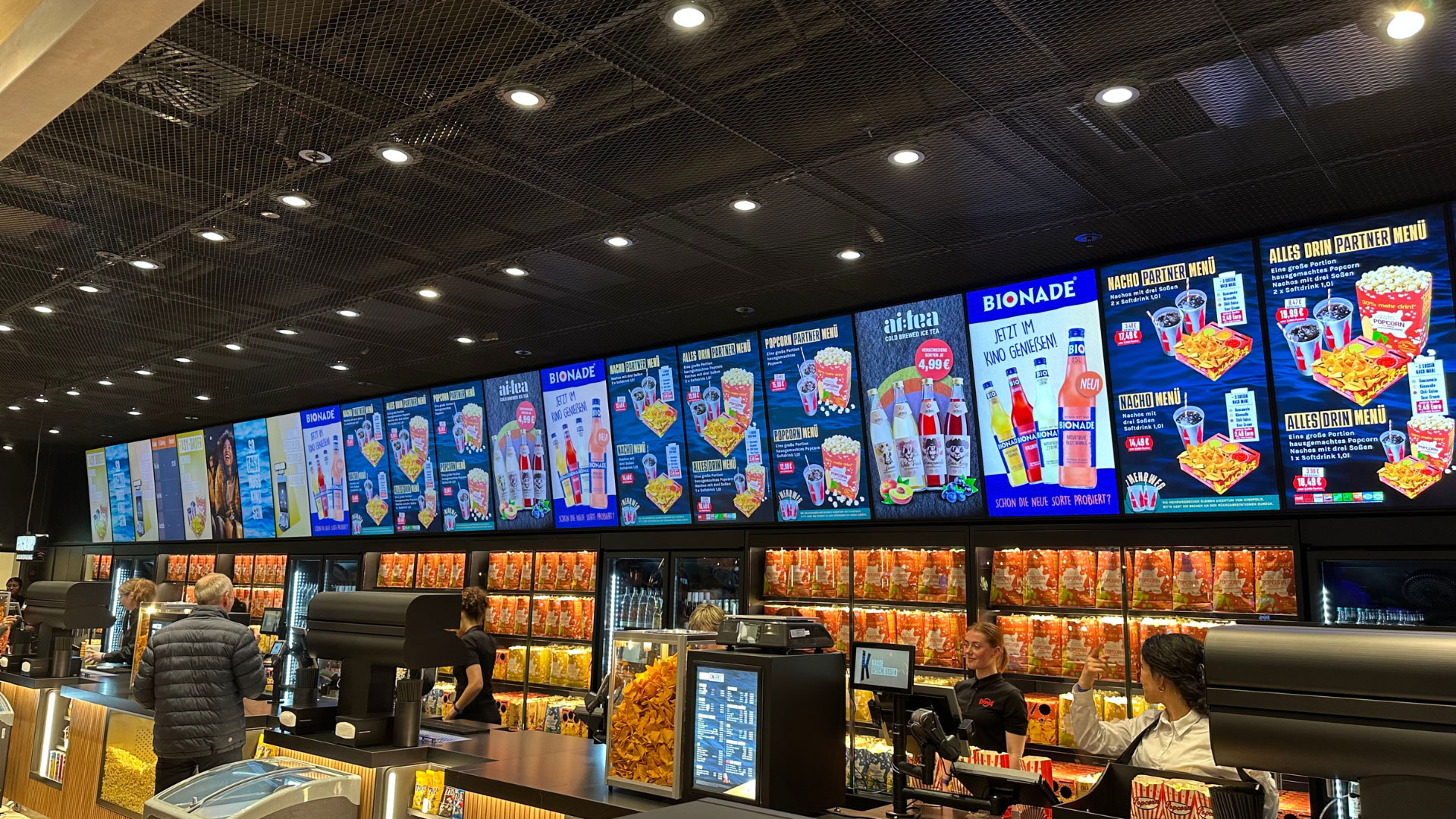
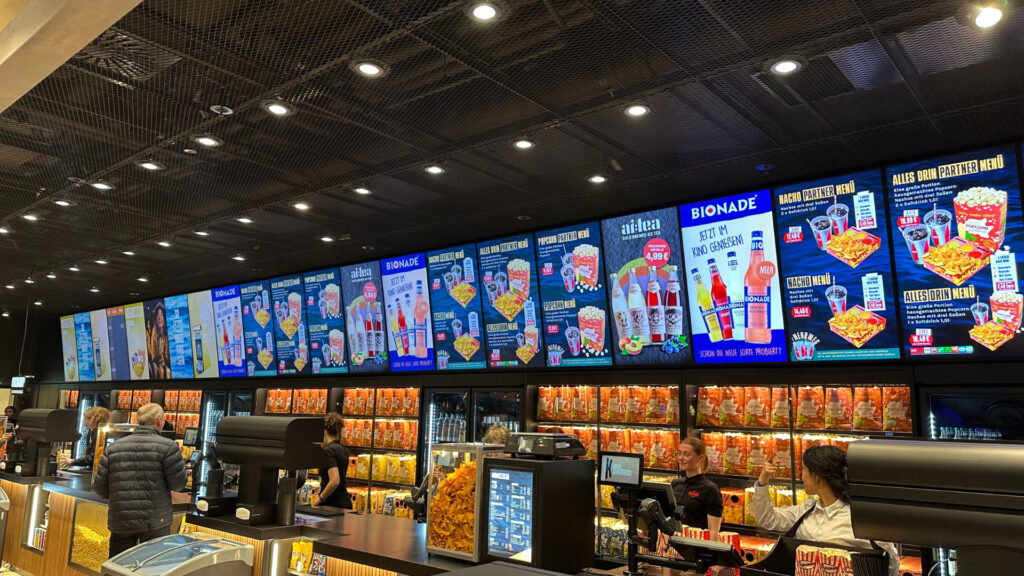
Audience-Driven Offers on Menu Boards at Kinopolis Hamburg

Audience-driven offers on menu boards at Kinopolis Hamburg.

Looking ahead, even physical identifiers may make lobby targeting even more precise. We’re already seeing incredible innovation in the broader DOOH space where AI display cameras evaluate metrics like height and approximate age to adjust content to the person standing there in real time. It’s an intriguing concept which may help us target lobby visitors more accurately sooner rather than later.

Ultimately, the application of data through digital signage ensures your messaging lands with the right audience at the right moment. But, it’s essential your back-of-house operations run in complete unison with the front-of-house strategy.

If you’re wondering how to take targeting precision deeper into your cinema, I’ll be exploring how a modern TMS leverages data to target audiences and open new revenue streams in October’s instalment of One Take from the Top.

Tim Potter, International Business Manager

Tim Potter,
International Business Manager at OneCinema