Inspired by ‘The Cost of Guessing in Theatre Operations’ seminar at this summer’s CinéShow, the United States’ second largest trade event behind CinemaCon, last month we explored how the application of data through digital signage can target lobby visitors to drive bottom-line box office and concession growth.
If you didn’t attend the show or missed our previous One Take from the Top, I am referring to two key takeaways worthy of a quick recap:
- Uncover your missed opportunities. Rather than only tracking what’s going well (admission/concession sales), it’s important to find out what sales you lost and why.
- Execution is everything. Harvesting business data is one thing, but applying your learnings is where the real value lies.
This session got us thinking, because there are many tools which exhibitors already use, or should be using, that allow them to execute these insights.
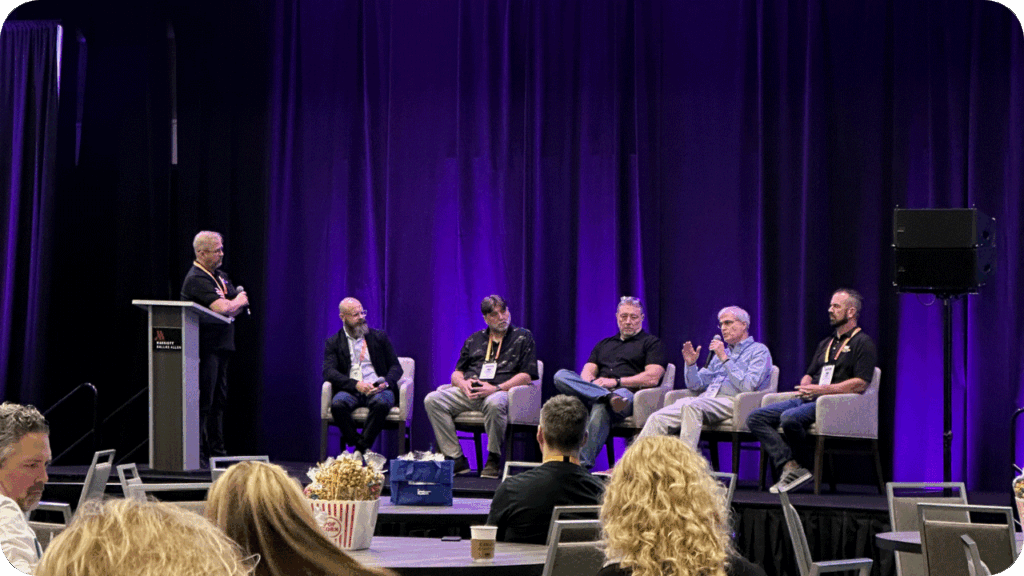
The 'Cost of Guessing in Theatre Operations' panel.
After covering digital signage in September, this month I’ll be looking at how to target audiences on the operational side, analysing how a modern Theater Management System (TMS) can reach your audiences while opening new revenue streams.
Part 2: The Theater Management System, Your Secret Monetisation Tool
With high-performance TMS automation, you will unearth brand-new revenue channels you didn’t know existed. For example:
Exhibitors already monetise pre-show advertising slots through Screen Advertising Companies (SACs), but a modern TMS should allow you to apply that same commercial model to film trailers. Through direct integration with your Point of Sale (POS), the TMS tracks ticket sales per site or auditorium to measure precisely how many moviegoers view each trailer.
This means contracting directly with distributors on an impressions-based model, charging for trailer placements based on confirmed audience reach. For example, if a distributor wants 100,000 targeted impressions for an upcoming Spider-Man release, the TMS checks POS attendance data across targeted sites and showtimes, serving the trailer to the exact demographic criteria agreed upon until the target impression count is reached.
The CinéShow panel I so frequently refer back to noted how AI can offer cinema so much more than simply preparing marketing copy or constructing digital imagery. Although operational targeting is already testing new ways to become more efficient.
We have already seen AI-integrated cameras being used inside auditoriums to distinguish between human patrons and coats or bags left on seats, verifying that occupant counts match sold tickets to prevent screen-hopping.
But why stop at attendance verification? Developed further, this same optical technology could track the exact times patrons enter the auditorium. Knowing precisely when specific demographic groups take their seats would yield invaluable operational data, optimising trailer placement and value, while ensuring targeted content reaches maximum eyes.

Reaching your audiences with precision targeting.
Ultimately, operational precision through the TMS should work in tandem with the visual targeting strategy we explored in Part 1. Just as a diligent signage solution deploys specific campaigns to both inner-city and suburban sites, the TMS can align screen programming with those specific audience profiles. While signage promotes a targeted concession bundle or loyalty offer outside, the TMS ensures the pre-show content on-screen reinforces the exact message for maximum response.
By connecting your front-of-house signage displays with a data-driven TMS back-of-house, you remove the guesswork, target your audiences with laser precision, and convert data into measurable revenue.

Tim Potter,
International Business Manager at OneCinema